/
Bollards
Bollards for Abu Dhabi Roads, Retail and IndustryBollard supplier in Abu Dhabi
Fixed, removable and automatic bollards for Abu Dhabi frontages, campuses and yards, matched to the vehicle risk rather than appearance alone.
Bollards do different jobs across Abu Dhabi. On pedestrian frontages in Al Khalidiyah, Saadiyat Island and Al Markaziyah they protect glass shopfronts and walkways from vehicles. In Yas Island and around Masdar City they can shape traffic and keep cars off landscaped or pedestrian zones.
In the industrial areas, KIZAD and Khalifa City, heavier bollards guard gates, dock corners, fuel points and machinery from trucks and forklifts. Fixed, removable and automatic types each suit a different level of access. Underground services and the depth available for a foundation affect what is possible, so we survey before proposing a type. Automatic bollards can also work with access control on restricted lanes.
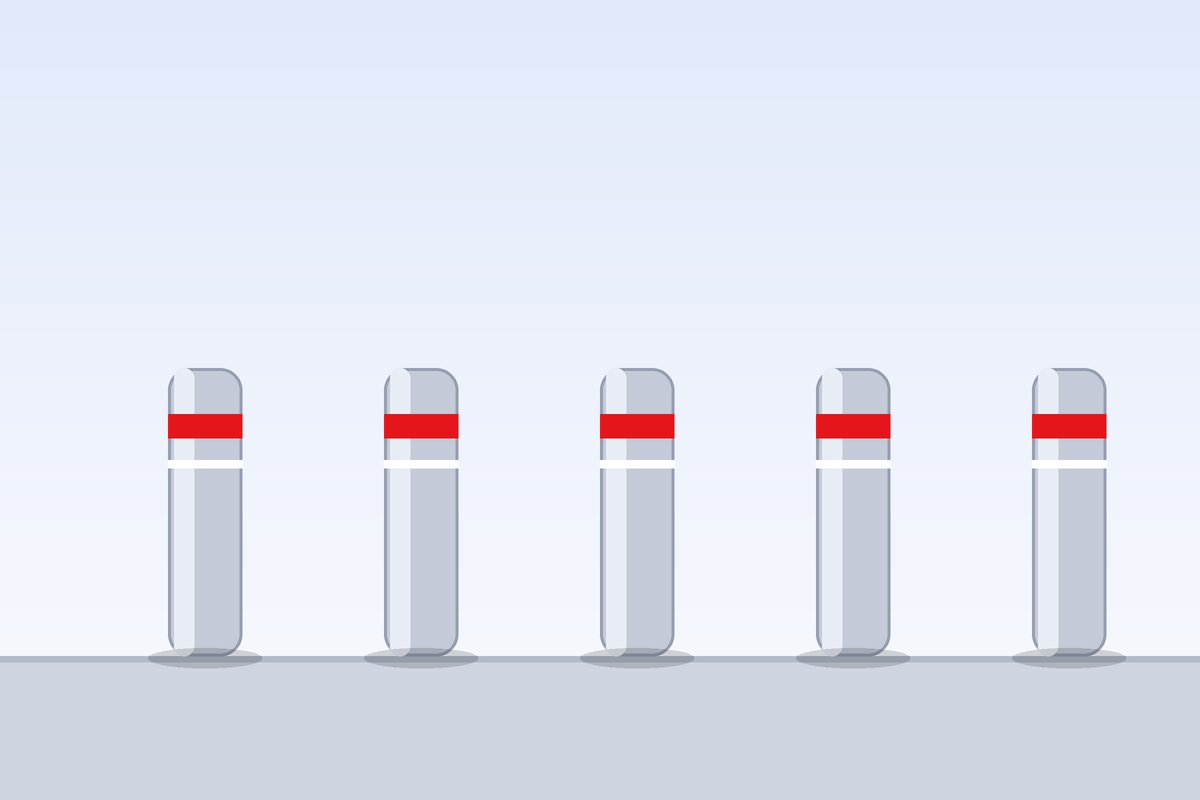
Bollards are strong posts that protect buildings and pedestrians and control vehicle access. They come as fixed, removable or automatic types, in steel, stainless steel or concrete-filled forms, and can be impact-rated. Automatic bollards rise and lower with cards, remotes or plate readers, with loops and lights for safety.
- Three main types: fixed, removable and automatic
- Automatic bollards retract into a drained pit and use loop detectors
- Impact-rated options are available for higher-risk sites
- Foundation depth and underground services shape the installation
- Coastal humidity makes material and coating choice important
- Fixed, removable and automatic types
- Steel and stainless steel options
- Reflective bands and lighting
- Impact-rated options
- Access control integration
- Servicing for automatic bollards
Free site survey · Professional installation · After-sales support
Product overview
A retail arcade in Al Markaziyah, a campus approach at Yas Island and a warehouse yard in Industrial Area 10 have very different bollard needs, even though the product name is the same. Start with the risk, then specify the hardware.
Matching type to purpose
| Purpose | Suitable type | Note |
|---|---|---|
| Stop kerb parking | Fixed or removable | Lighter build acceptable |
| Protect glass and pedestrians | Fixed, robust | Strong foundation needed |
| Control access to a zone | Automatic or retractable | Needs power, controls, drainage |
| Emergency or service access | Removable | Storage and locking planned |
Below-ground realities
A bollard is only as strong as its footing. Before excavation, survey cables, pipes and drainage, and coordinate with the responsible authority. Automatic units need a pit with drainage, particularly where cleaning water or storm runoff collects.
Integration
Retractable bollards can link to intercoms, readers, traffic lights and emergency override. Fit visible lighting or reflective bands so drivers see them at night, and agree the fail-safe position with the building safety lead.
Maintenance
Automatic bollards need regular inspection of seals, hydraulics or electric drives, and drainage checks. Fixed bollards should be checked for corrosion at the base and for impact damage.
Cost drivers
Type, diameter, material, foundation works, power, controls and finish shape the quotation. Any impact rating claim should be verified with product documentation. For barriers, see gate barriers and parking savers.
Appearance and street integration
Bollards are highly visible, so consider height, finish and spacing in relation to the building and street. Stainless steel, painted steel and clad versions all suit different settings. Spacing must stop vehicles while still allowing pedestrians and wheelchair users to pass.
Check lighting and reflective bands to avoid trip hazards and low-speed impacts after dark.
Approvals and coordination
Work near roads or public frontages often needs permission from the relevant authority or landlord. Prepare layout drawings showing positions, spacing and finishes, and allow time for review before groundworks begin. Keep a record of installed positions, depths and any buried services located during excavation, since future works near the frontage will need that information.
To secure a frontage or yard, request a quote and QNAD will assess the site.
Specifications
| Types | Fixed / removable / automatic |
|---|---|
| Control | Keypad, card, remote, intercom or plate reader (automatic) |
| Service | Supply, installation, repair and maintenance |
| Materials | Steel or stainless steel |
Supply in Abu Dhabi
Qasar Al Neil Automatic Doors supplies Bollards in Abu Dhabi, with a free site visit, installation and servicing by our own technicians.
Do you supply Bollards in Abu Dhabi?
Can you supply and install Bollards together?
Bollards: frequently asked questions
What is the difference between fixed, removable and automatic bollards?
Fixed bollards stay in place permanently, removable bollards can be lifted out or unlocked, and automatic bollards rise and lower on demand. The choice depends on how often you need vehicle access.
- Fixed: constant protection for storefronts and pedestrian areas.
- Removable: occasional access for deliveries or events.
- Automatic: retract hydraulically or electrically, controlled by remote, card or intercom.
Automatic units need a pit and power, so they cost more to install. See our range of fixed, removable and automatic bollards.
Do automatic bollards need a deep foundation?
Yes, automatic bollards need a concrete pit for the retracting cylinder, drainage and control equipment. Depth depends on the model, from around 0.5 m for light-duty units to over 1 m for high-security types.
The pit also needs a drainage path so water does not collect, and ducts for power and control cables. Underground services must be checked before excavation. A site visit confirms depth and layout, so ask us about automatic bollard installation for your entrance.
What materials are bollards made from?
Bollards are commonly made from galvanised or powder-coated steel, stainless steel 304 or 316, or concrete-filled steel for extra impact resistance. Stainless steel is the best match for UAE coastal humidity.
Powder-coated galvanised steel is a practical choice inland and can be finished in safety colours. Stainless steel looks refined and resists salt air, which suits waterfront and hospitality sites. Cost rises with the grade and thickness. Compare bollard options for your site conditions.
How do bollards integrate with traffic lights and access control?
Automatic bollards connect to traffic signals, loop detectors, card readers, ANPR cameras or intercoms, so they lower for authorised vehicles and rise again after passage.
Loop detectors prevent a bollard rising under a vehicle, and traffic lights tell the driver when it is safe to cross. Emergency access can be arranged with a key switch or fire service override. Integration is planned during design so wiring is ready. Learn more about automatic bollards for controlled entrances.
Do you serve areas outside Abu Dhabi?
Yes, we cover projects across the UAE, not only Abu Dhabi. We also work with clients in neighbouring emirates.
Contact Qasar Al Neil Automatic Doors with your location so we can confirm scheduling and any travel arrangements. A photo or short description of the job helps us plan. Browse our gates, garage doors and bollards before you call.
A car hit my bollard. What should be checked before it is repaired?
Look beyond the dent. An impact can crack the foundation, loosen the anchor or bend the post below ground level, and a bollard that looks fine can fail the next time it is hit. Check whether the post moves when you push it and whether concrete around the base is cracked.
For an automatic bollard, the drive and the pit may also be damaged. Qasar Al Neil Automatic Doors inspects the post, the foundation and the drive, then repairs or replaces what is needed rather than just repainting the post.
Why is my automatic bollard rising slowly or sticking?
The pit is the usual culprit. If the drain has blocked, water and sand collect around the post and slow it down. On a hydraulic unit, a worn seal or low fluid causes the same problem. A dry or dirty guide can also make the movement stiff.
Clearing the drain and cleaning the pit often restores normal movement, but a hydraulic fault or a failed drive needs a technician. Qasar Al Neil Automatic Doors can test the unit, clear the pit and repair the drive or seals.
Do you check for cables and pipes before installing bollards?
Yes, because bollard foundations go down further than most people expect. On the site visit we look at the area, ask about known services under the paving, and mark where cables or pipes could be. Where the plans are unclear, the groundwork starts carefully and the foundation position can be moved a little.
It also affects the choice between a fixed bollard and an automatic one, because an automatic bollard needs a deeper pit, drainage and a power and signal route.
How are bollards made visible at night?
Most bollards carry reflective bands, which show up in headlights. For busier or darker sites, you can add lighting, either built in or a separate lamp, so drivers and pedestrians see the post from further away. Colour matters too: yellow or red bands stand out better than plain steel.
Automatic bollards also use warning lights and traffic signals that show when the post is rising or lowering. We suggest a combination on the site visit based on the lighting you already have and the speed of the traffic.
How far apart should bollards be spaced?
The gap must stop vehicles while still letting pedestrians, wheelchairs and prams through. A common approach is to keep spacing narrow enough that a car cannot pass between units, yet wide enough for accessible movement, and the exact figure depends on local guidance and the site risk. Spacing is a design decision, so we confirm it on site rather than applying a single number everywhere.
Talk to us about layout for bollard installations.
Do stainless steel bollards rust in coastal or humid areas?
Good quality stainless steel resists corrosion well, but salt-laden air and humidity can still cause surface staining on lower grades or poorly finished welds. Marine-grade stainless, powder-coated carbon steel or galvanised finishes are common choices near the coast. Regular washing removes salt and dust and keeps the finish looking sharp.
Tell us where the bollards will stand and we will suggest a material suited to that exposure. Browse bollards.