

/
The right dock leveler depends on volume, truck heights and climate control. Hydraulic levelers suit busy docks, mechanical ones suit lower volumes, air-powered units avoid hydraulic oil, vertical-storing models help seal the dock, and edge-of-dock types suit retrofits. Always check capacity, safety features and maintenance needs.
- Hydraulic levelers suit busy, high-cycle docks.
- Mechanical levelers have fewer parts but need manual operation.
- Vertical-storing levelers help keep conditioned air inside.
- Edge-of-dock models suit retrofits with no room for a pit.
- Match the working range to your lowest and highest truck beds.
- Regular inspection of lips, props and hydraulics keeps docks safe.
هذا المحتوى متاح حالياً باللغة الإنجليزية فقط. English
Abu Dhabi moves a great deal of cargo, and much of it crosses a dock edge somewhere in the Mussafah Industrial Area, KIZAD or Khalifa City. Trailers arrive at different heights, forklifts run back and forth all shift, and fine desert dust finds its way into every pit and hinge. In that setting the dock leveler is not an accessory, it is the bridge everything else depends on.
The choice between hydraulic, mechanical and other designs affects how fast trucks turn around, how much attention the equipment needs and how safe your loading crew is. Our dock levelers range covers several of these designs, and the comparison below explains where each one makes sense so you can talk to a supplier with a clear brief rather than a guess. We also flag the safety points loading crews often overlook, and the checks that matter most.
TL;DR: Hydraulic dock levelers suit busy docks because they raise and lower at the push of a button. Mechanical levelers cost less to run and have fewer parts to fail, but need a manual pull. Air-powered units avoid hydraulic oil. Vertical-storing levelers help seal the dock when idle, and edge-of-dock levelers fit low-volume or tight bays.
What a dock leveler actually does
A dock leveler bridges the gap between the warehouse floor and a truck bed. Trucks arrive at different heights, and their beds rise and fall as cargo is loaded or unloaded. Without a leveler, forklifts face a step or a slope, which risks damaged goods, strained equipment and injured operators. A well-chosen leveler gives a smooth, stable ramp and lets you load faster and more safely.
Choosing the type comes down to how many trucks you handle, the vehicles you receive, the space around the bay and how much maintenance your team can carry out. You can read more about our range on the dock levelers page or in the wider dock leveler services section.
The main dock leveler types
Hydraulic dock levelers
A hydraulic pump and cylinder raise the platform and extend the lip with a push button. The operator does no heavy lifting, and the platform lowers in a controlled way onto the truck bed. This makes hydraulic units the usual choice for busy logistics and distribution docks with frequent loading cycles.
Mechanical dock levelers
A spring system holds the platform up, and the operator releases it by pulling a chain. There is no pump or oil, so there are fewer components to service. They suit lower-volume docks where staff are trained to use them correctly, although the manual effort and the need for proper technique are real considerations.
Air-powered dock levelers
An air bag raises the platform, and the lip is usually extended by mechanical or pneumatic means. They avoid hydraulic fluid and have few moving parts inside the pit. They are worth a look where oil leaks are a concern, such as food or pharmaceutical handling, but the air bag and supply need regular checks.
Vertical-storing dock levelers
The leveler stands upright when not in use, so the truck door can close fully against the dock seal. This helps keep conditioned air inside and dust and insects out. They are popular for cold rooms, food stores and any dock where climate control matters.
Edge-of-dock levelers
These mount on the dock face rather than in a pit. They are practical for existing buildings where digging a pit is difficult, and for docks with modest loading demands. Their working range is narrower, so check your truck heights first.
Comparison at a glance
| Type | Operation | Best for | Main consideration |
|---|---|---|---|
| Hydraulic | Push button, powered | Busy, high-cycle docks | Hydraulic servicing and oil checks |
| Mechanical | Manual chain release, spring assisted | Lower-volume docks | Needs correct operator technique |
| Air-powered | Air bag raises the platform | Sites avoiding hydraulic oil | Air bag and supply inspection |
| Vertical-storing | Stores upright when idle | Climate-controlled docks | Needs enough space and a good seal |
| Edge-of-dock | Mounted on the dock face | Retrofits and tight bays | Narrower working range |
How to choose the right one
- Truck mix: note the lowest and highest bed heights you receive. The leveler's working range must cover both.
- Load and equipment: confirm the heaviest forklift and load, then ask for a capacity that leaves a safe margin.
- Volume: more cycles per day usually points to hydraulic operation.
- Climate control: if you protect chilled or air-conditioned stock, consider vertical-storing units with a proper dock seal or shelter.
- Building condition: a new pit is not always possible, which is where edge-of-dock models help.
A site survey settles these points quickly. Measurements of the bay, pit depth, dock height and truck types tell us more than a brochure can.
Safety features to look for
Whatever type you pick, check for toe guards along the sides, a lip that rests firmly on the trailer, a maintenance prop to hold the platform up during servicing, and a way to prevent trucks from leaving while forklifts are still on the leveler. Vehicle restraints, wheel chocks and clear traffic signals add another layer of protection.
Maintenance basics
Dock levelers work hard every day and take heavy impact, so routine care pays off. A typical service covers:
- Inspecting hinges, lips and toe guards for wear or cracks
- Checking hydraulic hoses, fittings and fluid, or the air bag and its supply, depending on the type
- Testing the safety props and controls
- Cleaning debris from the pit, which is especially important in sandy conditions in Abu Dhabi
- Lubricating pivot points
Any leveler that drops slowly, sticks or shows uneven movement should be taken out of use until a technician inspects it.
Pairing levelers with the right doors
The dock door matters as much as the leveler. Insulated double skin rolling shutters and sectional doors help protect temperature-sensitive goods, while robust automatic rolling shutters secure general warehouse openings.
Next steps
Tell us about your truck types, loading volume and bay layout, and we will recommend a suitable configuration. Request a quotation or contact Qasar Al Neil Automatic Doors LLC to arrange a site visit.
منتجات ذات صلة
-
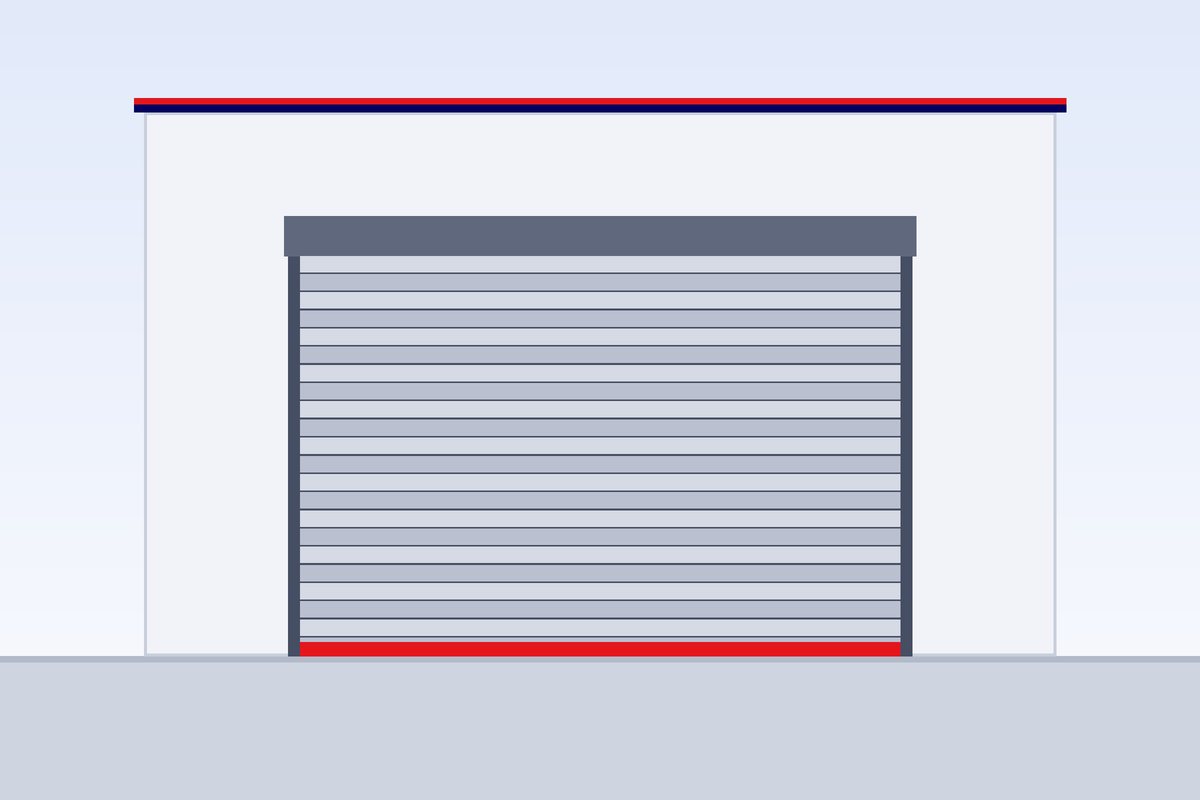
الستائر الأسطوانية الأوتوماتيكية
مصاريع دوارة آلية من الألومنيوم أو الصلب للمحلات التجارية والمخازن والمستودعات، مع محركات أنبوبية أو جانبية، والتحكم عن بعد أو مفتاح التبديل والتجاوز اليدوي.
عرض التفاصيل -
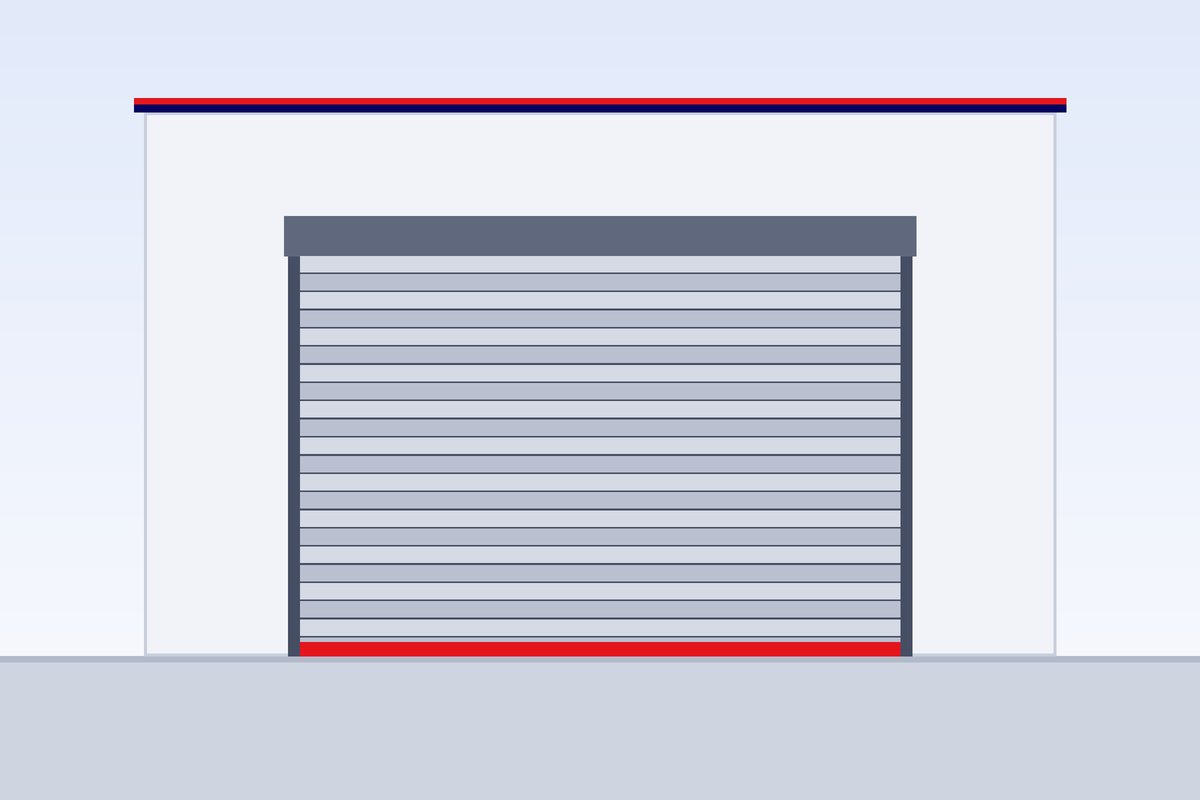
الستائر الأسطوانية المعزولة مزدوجة الجدار
مصاريع دوارة بشرائح مزدوجة الجلد مملوءة برغوة عازلة، للمخازن الباردة، والوحدات المكيفة الهواء والمواقع التي يجب فيها إبعاد الحرارة والضوضاء والغبار.
عرض التفاصيل -

جسور التحميل
أدوات تسوية الرصيف الهيدروليكية والميكانيكية التي تعمل على سد الفجوة بين قاعدة الشاحنة وخليج التحميل، مع حافة مفصلية وميزات أمان للنقل الآمن للرافعة الشوكية.
عرض التفاصيل


